
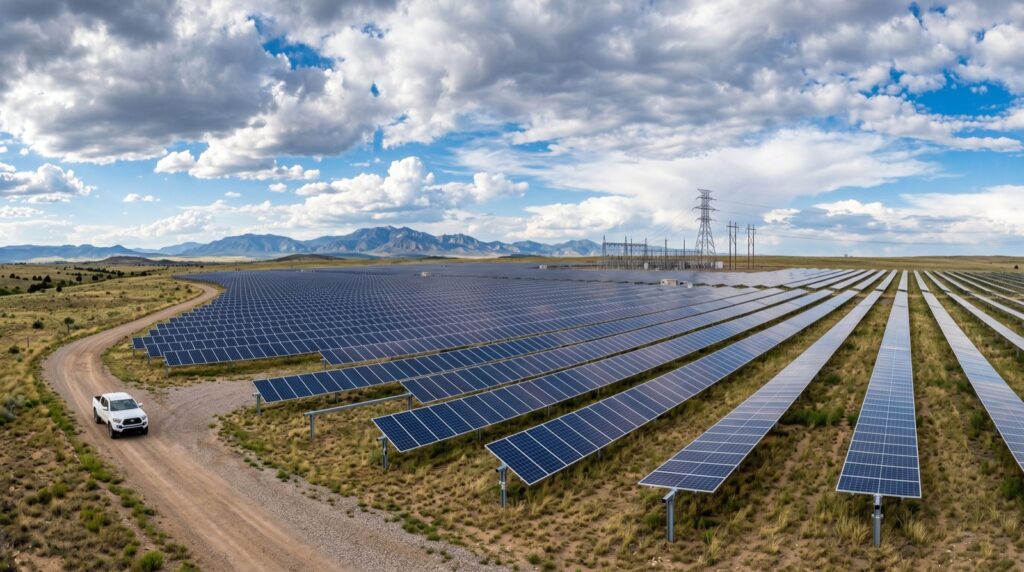
Installing solar panels in Peshawar means designing a system that can handle scorching summers, cold winters, and the dust that blows across Khyber Pakhtunkhwa. This guide explains how to match your solar setup to the local climate so it performs reliably all year and delivers the savings you expect in 2026.
Peshawar and Multan share intense heat and long sunshine hours, yet each city has quirks that affect panel output. Getting the design right for your specific conditions is what separates a great system from a disappointing one.
Understanding Peshawar’s Solar Potential
Peshawar receives generous sunshine for most of the year, which gives rooftops a strong and steady energy supply. The city’s hot, dry summers push cooling demand sky-high, and solar answers that demand precisely when the sun is strongest.
Winters bring cooler temperatures that actually improve panel efficiency, since photovoltaic cells perform better when they are not overheated. That seasonal balance makes Peshawar a rewarding place to invest in solar.
The dust factor
Dust storms and airborne particles are a real consideration in this region. A thin layer of grime can noticeably cut output, so cleaning schedules matter more here than in wetter parts of the country.
Choosing panels with anti-soiling coatings and tilting them for easy rain runoff helps keep production high. A knowledgeable installer will factor this into your mounting angle from the start.
How Should You Size a System for Hot Climates?
System sizing in hot cities like Peshawar and Multan must account for heavy air-conditioning loads. Undersizing leaves you drawing from the grid during peak heat, which defeats the purpose of going solar.
Start with a full year of electricity bills so your installer can see your summer peaks, not just an average. Those summer spikes usually dictate the ideal system capacity.
Recommended sizing by household load
| Household Profile | Typical AC Count | Suggested System | Summer Output Focus |
|---|---|---|---|
| Compact family home | 2 | 5 kW | Daytime cooling coverage |
| Mid-size home | 3-4 | 8-10 kW | Full daytime independence |
| Large family villa | 5-6 | 12-15 kW | Cooling plus surplus export |
| Shop or small office | Mixed | 15-20 kW | Business-hour coverage |
These are starting points, not fixed rules. A proper load audit tunes the numbers to your exact appliances and habits. Homeowners exploring solar panels in Peshawar should always insist on a bill-based assessment rather than a one-size-fits-all quote.
Choosing Equipment Built for Extreme Heat
Not every panel and inverter survives triple-digit temperatures gracefully. Cheap components lose efficiency fast when the mercury rises, and some inverters throttle output to protect themselves.
Look for panels with a low temperature coefficient, which means they lose less power as they heat up. Pair them with an inverter rated for high ambient temperatures and shaded from direct sun where possible.
Key features for hot-climate reliability
- Low temperature coefficient panels that resist heat-related losses.
- Inverters rated for high ambient operating temperatures.
- Robust, corrosion-resistant mounting to withstand dust storms.
- Adequate airflow behind the panels to keep them cooler.
- Surge protection against the electrical stress of extreme weather.
The US Department of Energy confirms that panel temperature directly affects output, which is why heat-tolerant hardware matters so much in southern Punjab and KP. Spending a little more here protects your generation through the hottest months.
Comparing Peshawar and Multan Conditions
Multan is famously one of the hottest cities in Pakistan, so its solar systems face even harsher thermal stress than Peshawar’s. Both cities benefit from long sunshine, but Multan’s dust and heat demand extra attention to component selection.
If you are weighing options in southern Punjab, work with a provider who understands regional extremes. A trusted solar company in Multan will specify hardware that keeps producing even when temperatures soar past comfortable limits.
Seasonal planning for both cities
- Design summer capacity around your heaviest cooling months.
- Angle panels to shed dust and maximise winter sun.
- Add storage if load-shedding disrupts your evenings.
- Schedule more frequent cleaning during the dry, dusty season.
- Review your monitoring data quarterly to catch heat-related dips.
Keeping Your System at Peak Performance
Regular maintenance is the secret to consistent output in dusty, hot regions. A clean panel can produce noticeably more than a grimy one, so cleaning is money well spent.
Check your monitoring app after every dust storm and rinse the array when output drops. Working with quality service providers ensures you have someone reliable to call when maintenance or repairs are needed.
Beyond cleaning, keep an eye on your inverter’s cooling. In cities as hot as Peshawar and Multan, inverters mounted in direct sun can overheat and reduce output during the hottest hours. Relocating the unit to a shaded, well-ventilated spot often restores lost generation and extends its service life.
An annual professional inspection is well worth the modest fee. A technician can tighten connections loosened by thermal expansion, check for micro-cracks caused by extreme heat cycles, and confirm your earthing remains sound after the monsoon season. These small checks keep a hot-climate system reliable for its full 25-year lifespan.
Frequently Asked Questions
Do solar panels work well in Peshawar’s extreme summer heat?
Yes, though very high temperatures slightly reduce efficiency. Choosing panels with a low temperature coefficient minimises those losses, and the long sunshine hours more than compensate for them.
How often should I clean panels in a dusty region?
During dry, dusty months, cleaning every one to two weeks keeps output high. After a dust storm, a quick rinse restores lost generation almost immediately.
Is Multan too hot for solar to be worthwhile?
Not at all. Multan’s intense sunshine makes it excellent for solar, provided you use heat-tolerant components and maintain the panels well. Its high cooling demand also aligns perfectly with peak production.
What size system do I need for four air conditioners?
A home running three to four ACs typically needs an 8 kW to 10 kW system for full daytime coverage. A load audit based on your bills confirms the exact size.
Design Your System the Smart Way
Getting the most from solar panels in Peshawar comes down to smart, climate-aware design. Match the capacity to your summer peaks, pick heat-tolerant hardware, and keep the panels clean, and your rooftop will reward you for decades.
Ready to begin? Request a free, bill-based site assessment and a tailored proposal for your city. A system designed for your climate is the surest path to lasting energy savings in 2026.